Missing teeth can affect everything from your smile to your confidence, which is why many people choose dental implants as a long-term solution. While researching the procedure, it’s common to come across questions like, “Can dental implants rust?” or “Will they corrode over time?” These concerns are understandable, especially since implants remain inside the mouth for many years.
The good news is that modern implants are designed to withstand the moist environment of your mouth without rusting. Understanding the materials used and how implants function can help you feel more confident before making a treatment decision. At Collins Road Family Dental, patients receive personalized guidance to understand every step of the dental care process and make informed choices about restoring their smiles.
What Are Dental Implants Made Of?
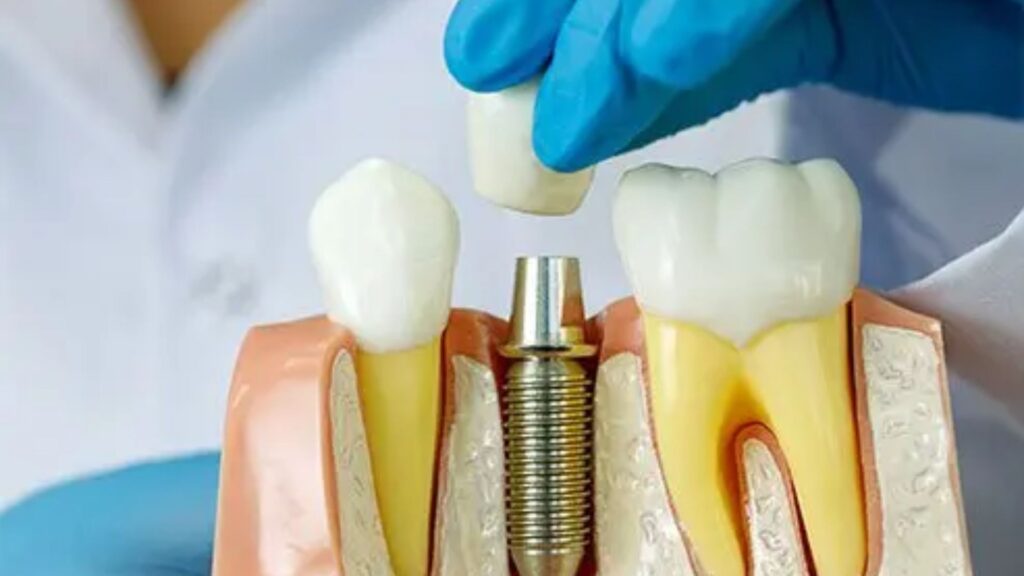
Most modern implants are manufactured using medical-grade titanium or titanium alloys. Titanium has been used safely in medicine for decades because it is
- Highly durable
- Lightweight
- Biocompatible
- Resistant to corrosion
- Strong enough to support chewing pressure
Some patients may also receive zirconia implants, a ceramic alternative that offers excellent durability and an attractive tooth-colored appearance.
Both materials are specifically selected because they perform exceptionally well inside the human body.
Can Dental Implants Actually Rust?
The simple answer is no.
Rust occurs when iron reacts with oxygen and moisture, forming iron oxide. Since titanium contains little or no iron, it does not rust the way ordinary metals do.
Instead, titanium naturally develops a microscopic protective oxide layer when exposed to oxygen. This invisible barrier shields the implant from corrosion and helps maintain its strength for many years.
Because of this unique property, implants remain stable even though they are constantly exposed to saliva, food, and beverages.
Why Titanium Is the Gold Standard
Titanium has earned its reputation because it offers several important benefits beyond corrosion resistance.
Excellent Biocompatibility
The body generally accepts titanium very well. Instead of rejecting it, the jawbone gradually bonds with the implant through a natural healing process called osseointegration.
Long-Term Strength
Titanium can withstand daily biting and chewing forces without weakening under normal conditions.
Corrosion Resistance
Unlike many household metals, titanium forms a protective surface that prevents deterioration even in moist environments.
Proven Success
Millions of successful implant procedures worldwide demonstrate titanium’s reliability and long-lasting performance.
What About Corrosion?
Although implants do not rust, people sometimes confuse corrosion with rusting.
Corrosion refers to gradual material breakdown caused by chemical reactions. High-quality dental implants are engineered to resist this process extremely well.
Only very unusual situations—such as exposure to incompatible metals, manufacturing defects, or severe oral health problems—could contribute to minor surface changes. These situations are uncommon when treatment is performed by an experienced dental professional and proper dental care is maintained.
Factors That Help Implants Last Longer
Several factors contribute to the longevity of an implant.
Good Oral Hygiene
Brushing twice daily, flossing, and keeping the implant clean reduce harmful bacteria that can affect surrounding tissues.
Routine Dental Visits
Professional cleanings allow your dentist to monitor the implant and surrounding gums before small issues become larger concerns.
Healthy Lifestyle Choices
Avoiding tobacco products supports healthier gums and improves long-term implant success.
Balanced Nutrition
Eating nutritious foods promotes healthy bone and gum tissue that supports the implant.
Can Poor Oral Hygiene Damage an Implant?
While the implant itself will not rust, poor oral hygiene can still create problems.
Plaque buildup can lead to inflammation around the implant, known as peri-implant mucositis. If untreated, it may progress into peri-implantitis, a condition that affects the supporting bone.
Symptoms may include:
- Red or swollen gums
- Bleeding while brushing
- Persistent bad breath
- Gum tenderness
- Implant mobility in advanced cases
These problems involve surrounding tissues rather than the implant material itself.
How Long Do Dental Implants Last?
One reason patients choose implants is their impressive longevity.
With proper dental care, many implants remain functional for 20 years or longer.
Longevity depends on several factors, including:
- Overall oral health
- Bone quality
- Daily hygiene habits
- Regular dental examinations
- General health conditions
Proper maintenance plays a much larger role in implant lifespan than concerns about rust.
Signs Your Implant Should Be Evaluated
Although rust isn’t something patients typically need to worry about, you should schedule an examination if you notice the following:
- Pain around the implant
- Swollen gums
- Bleeding during brushing
- Loose implant
- Difficulty chewing
- Persistent bad taste
- Gum recession
Early evaluation allows your dentist to identify the cause before complications develop.
How to Care for Your Dental Implants
Protecting your investment is easier than many people think.
Follow these simple habits:
- Brush twice every day using a soft-bristled toothbrush.
- Clean between teeth with floss.
- Attend regular professional cleanings.
- Avoid smoking.
- Wear a night guard if you grind your teeth.
- Eat a balanced diet that supports healthy gums and bones.
Consistent care helps preserve both your implant and your natural teeth.
Common Myths About Dental Implants
Myth 1: Implants Rust Like Metal Tools
False. Titanium does not rust like iron-based metals.
Myth 2: Implants Trigger Airport Metal Detectors
Modern implants are tiny and generally do not activate security systems.
Myth 3: Implants Require Special Cleaning Products
Most patients only need regular brushing, flossing, and professional dental care.
Myth 4: Implants Need Frequent Replacement
High-quality implants often last decades when properly maintained.
Why Choosing an Experienced Dental Team Matters
Successful implant treatment depends on more than the implant itself.
An experienced dental provider carefully evaluates the following:
- Bone health
- Gum condition
- Bite alignment
- Overall oral health
- Long-term maintenance needs
Receiving personalized treatment planning significantly improves long-term success and patient satisfaction.
Final Thoughts
Concerns about implants rusting are understandable, but modern dental implants are specifically designed to resist rust and corrosion. Medical-grade titanium and zirconia have been extensively used because they remain stable inside the mouth while supporting healthy function and appearance.
The key to long-lasting results is maintaining excellent dental care, attending routine checkups, and following your dentist’s recommendations. With proper care, implants can provide a reliable, comfortable, and natural-looking tooth replacement for many years.
At Collins Road Family Dental, the goal is to help every patient understand their treatment options while delivering personalized care that supports long-term oral health and confident smiles.
Frequently Asked Questions (FAQs)
Q. Can dental implants rust inside the mouth?
No. Modern implants are typically made from medical-grade titanium or zirconia, both of which are highly resistant to rust and corrosion
Q. How long do dental implants usually last?
With proper dental care and regular checkups, many implants last 20 years or longer.
Q. Can poor oral hygiene damage an implant?
Yes. While the implant itself won’t rust, poor oral hygiene can lead to gum inflammation and bone loss around the implant.
Q. Are titanium implants safe?
Yes. Titanium has been safely used in dentistry and medicine for decades because it is strong, biocompatible, and resistant to corrosion.
Q. How do I keep my implant in good condition?
Brush twice daily, floss regularly, attend routine dental visits, and follow your dentist’s recommendations for long-term maintenance.
Q. Does Collins Road Family Dental provide implant consultations?
Yes. Collins Road Family Dental offers comprehensive evaluations to determine whether implant dentistry is the right option and provides guidance on maintaining long-lasting oral health.