Missing teeth can make everyday activities like eating, speaking, and smiling more challenging than they should be. Fortunately, dental bridges offer a reliable and natural-looking solution for replacing one or more missing teeth. If you’re considering this restorative treatment, one of the first questions you may ask is, “How long will a dental bridge last?”
The answer depends on several factors, including the quality of the restoration, your oral hygiene habits, lifestyle choices, and regular dental visits. While no restoration lasts forever, many patients enjoy their bridges for well over a decade with proper care. At Collins Road Family Dental, patients receive personalized treatment plans designed to restore both function and confidence while supporting long-term oral health.
What Are Dental Bridges?
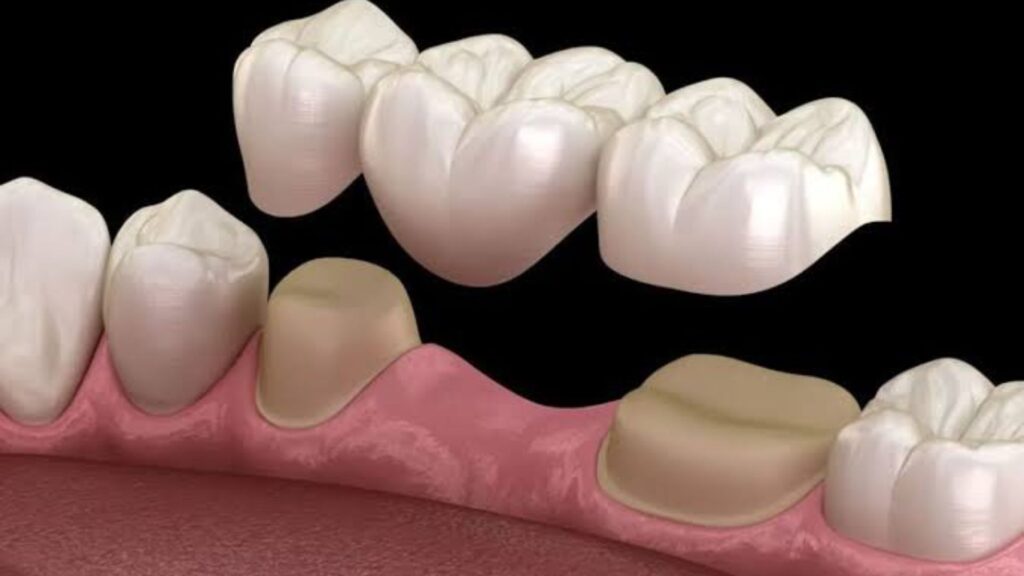
A dental bridge is a fixed restoration used to replace one or more missing teeth. It literally “bridges” the gap created by missing teeth using artificial teeth that are supported by adjacent natural teeth or dental implants.
A bridge helps restore the following:
- A complete smile
- Comfortable chewing
- Clear speech
- Proper bite alignment
- Facial structure support
Because bridges are permanently placed, they feel much more like natural teeth compared to removable dentures.
How Long Do Dental Bridges Typically Last?
Most high-quality dental bridges last 10 to 15 years, although many remain functional for 20 years or longer with excellent oral care.
Several factors influence their lifespan, including:
- Daily oral hygiene
- Material quality
- Overall dental health
- Bite pressure
- Professional dental care
- Lifestyle habits
The bridge itself is designed to be durable, but the health of the supporting teeth and gums plays an equally important role.
Factors That Affect the Lifespan of a Dental Bridge
1. Daily Oral Hygiene
One of the biggest reasons bridges fail is poor oral hygiene.
Although the artificial tooth cannot develop cavities, the supporting teeth can. Plaque and bacteria may accumulate around the bridge, increasing the risk of decay and gum disease.
Maintaining excellent dental care helps protect both the bridge and surrounding teeth.
2. Quality of Supporting Teeth
A bridge relies on healthy neighboring teeth for support.
If these teeth weaken due to decay or periodontal disease, the bridge may become unstable.
Healthy gums and strong teeth provide the foundation needed for long-term success.
3. Bite Forces
People who grind or clench their teeth place additional stress on dental restorations.
Over time, excessive pressure may cause the following:
- Small cracks
- Chipping
- Wear
- Loosening of the bridge
A custom night guard may help protect the restoration while sleeping.
4. Materials Used
Dental bridges are available in different materials, including:
- Porcelain fused to metal
- Zirconia
Each material offers different advantages in appearance, durability, and strength. Your dentist will recommend the best option based on your individual needs.
5. Regular Dental Checkups
Routine dental visits allow small problems to be detected before they become larger concerns.
Professional examinations help identify:
- Early decay
- Gum inflammation
- Bite changes
- Wear on the bridge
- Cement breakdown
Preventive care often extends the life of dental restorations.
Signs Your Dental Bridge May Need Replacement
Even well-maintained bridges eventually wear down.
Common signs include:
- Loose bridge
- Pain while chewing
- Bad breath that doesn’t improve
- Gum recession
- Visible cracks
- Damage to supporting teeth
- Difficulty cleaning underneath the bridge
If you notice any of these symptoms, schedule a dental evaluation as soon as possible.
How to Make Your Dental Bridge Last Longer
Proper maintenance can significantly increase the lifespan of your restoration.
Brush Twice Daily
Use a soft-bristled toothbrush and fluoride toothpaste to clean all surfaces around the bridge.
Clean Under the Bridge
Special floss threaders or water flossers help remove trapped food beneath the bridge.
Visit Your Dentist Regularly
Professional cleanings remove plaque that brushing cannot reach.
Eat Smart
Limit sticky candies, hard foods, and ice chewing, which may damage the restoration.
Avoid tobacco.
Smoking increases the risk of gum disease, which can weaken the supporting teeth.
Can Dental Bridges Be Repaired?
Minor damage can sometimes be repaired.
For example:
- Small chips may be polished.
- Minor bite adjustments may restore comfort.
However, if the bridge has significant damage or the supporting teeth become compromised, replacement may be the best option.
Your dentist will determine the most appropriate treatment after a thorough examination.
Are Dental Bridges Better Than Other Tooth Replacement Options?
Every patient has different needs.
Dental bridges offer several advantages:
- Fixed in place
- Natural appearance
- Faster treatment than implants
- Improved chewing ability
- Better speech
- Restores smile quickly
However, implants may provide greater long-term durability for some patients because they replace the tooth root as well.
Your dentist can explain which solution best fits your oral health and goals.
Foods That Help Protect Your Dental Bridge
A balanced diet supports healthy gums and teeth.
Choose foods such as:
- Fresh vegetables
- Fruits
- Lean proteins
- Dairy products
- Whole grains
- Calcium-rich foods
Limiting sugary snacks helps reduce the risk of decay around the supporting teeth.
Common Mistakes That Shorten Bridge Lifespan
Many bridge failures can be prevented by avoiding these habits:
- Skipping flossing and brushing
- Missing routine dental visits
- Using teeth to open packages
- Chewing ice
- Biting hard objects
- Ignoring early discomfort
- Smoking regularly
Small daily habits have a significant impact on long-term success.
Why Professional Dental Care Matters
Receiving treatment from an experienced dental team improves the chances of long-lasting results.
Proper planning includes:
- Comprehensive examination
- Digital imaging
- Bite evaluation
- Healthy gum assessment
- Customized restoration design
A well-designed bridge fits comfortably, functions naturally, and blends beautifully with surrounding teeth.
At Collins Road Family Dental, every treatment plan focuses on restoring oral function while preserving healthy teeth for the future.
Final Thoughts
Replacing missing teeth is about much more than improving appearance. A well-made dental bridge restoration can restore chewing ability, improve speech, maintain facial structure, and boost confidence.
Although most bridges last between 10 and 15 years, many continue functioning much longer with consistent dental care and routine checkups. Brushing, flossing, healthy eating, and regular professional examinations all contribute to extending the life of your restoration.
If you’re considering replacing missing teeth or have questions about maintaining your current bridge, the experienced team at Collins Road Family Dental can help you explore the best options for achieving a healthy, long-lasting smile.
Frequently Asked Questions (FAQs)
Q. How long do dental bridges usually last?
Most bridges last between 10 and 15 years, but many can remain in excellent condition for 20 years or longer with proper care.
Q. Can a dental bridge last a lifetime?
While no restoration is guaranteed to last forever, excellent oral hygiene and regular dental visits can significantly extend its lifespan.
Q. What causes a dental bridge to fail?
Common causes include tooth decay under the supporting teeth, gum disease, excessive grinding, poor oral hygiene, and accidental damage.
Q. How should I clean around my dental bridge?
Brush twice daily, floss using a floss threader or water flosser, and regular professional cleanings to keep the bridge and surrounding gums healthy.
Q. Can a damaged dental bridge be repaired?
Minor issues may be repaired, but severe damage or weakened supporting teeth may require replacing the bridge.
Q. Does Collins Road Family Dental provide treatment for missing teeth?
Yes. Collins Road Family Dental offers personalized restorative solutions, including dental bridges, to help patients regain a healthy, functional, and confident smile.