
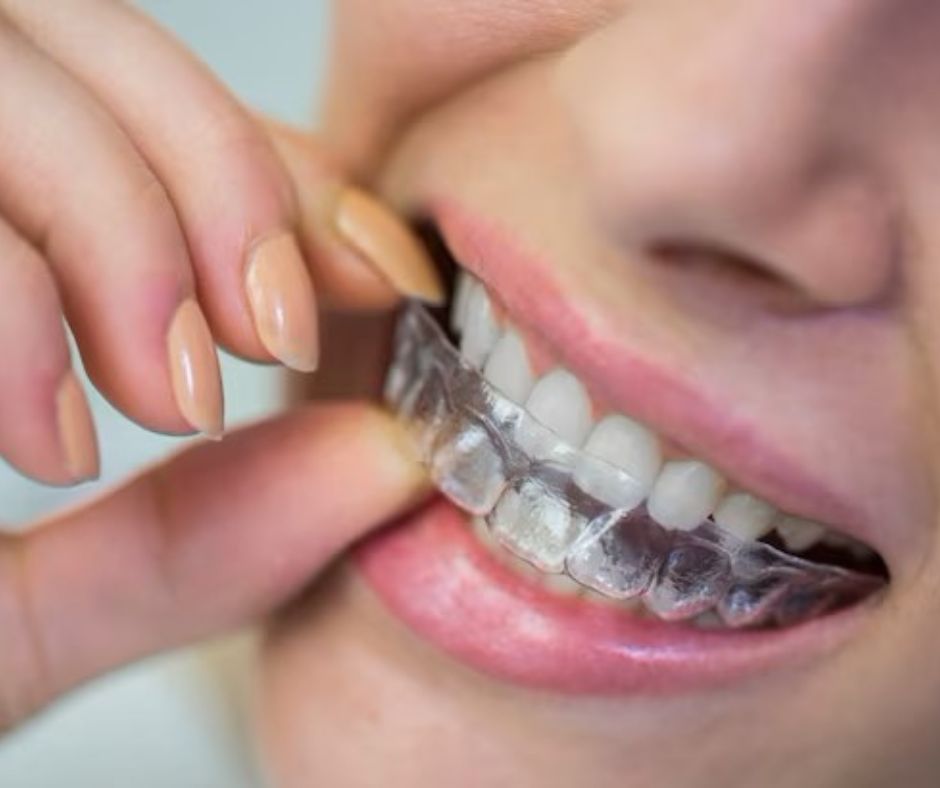
Invisalign has become one of the most popular orthodontic treatments for people who want a straighter smile without the look of traditional braces. However, many patients still have one common question before starting treatment: how often should Invisalign aligners be changed?
Understanding the correct aligner schedule is essential for achieving the best results. Wearing aligners too long or changing them too early can affect progress, comfort, and overall treatment success. If you’re considering Invisalign Aligners, this guide will help you understand recommended timelines, best practices, and common mistakes to avoid.
At Collins Road Family Dental, patients receive personalized Invisalign treatment plans designed for safe, predictable, and long-lasting results.
How Invisalign Aligners Work
Invisalign treatment uses a series of clear, removable aligners that gradually shift teeth into proper alignment. Each aligner is custom-designed using advanced digital technology and applies controlled pressure to specific teeth. Instead of wires and brackets, Invisalign relies on planned movement. Each new aligner continues where the previous one left off, making timing extremely important.
Standard Invisalign Aligner Change Schedule
For most patients, Invisalign aligners are changed every 1 to 2 weeks.
Your dentist will determine the ideal schedule based on:
- Tooth movement complexity
- Bone density and oral health
- Age and lifestyle
- Treatment goals
At Collins Road Family Dental, aligner schedules are customized rather than one-size-fits-all.
Can You Change Invisalign Aligners Faster?
Some patients are tempted to switch to a new set of aligners early to finish treatment sooner. However, changing aligners too fast can cause problems, including:
- Tooth soreness or pain
- Incomplete tooth movement
- Root stress or gum irritation
While accelerated Invisalign plans exist, they are only recommended under professional supervision. Never change aligners early unless your dentist instructs you to do so.
What Happens If You Change Aligners Too Late?
Delaying aligner changes can also affect progress. Wearing aligners longer than prescribed may:
- Slow down tooth movement
- Cause aligners to fit poorly
- Extend overall treatment time
If you forget to change aligners on schedule, contact your dentist before making adjustments.
How Long Should You Wear Invisalign Each Day?
Even if you change aligners on time, you need to wear them for 22 hours per day.
Aligners should only be removed for:
- Eating
- Drinking anything other than water
- Brushing and flossing
Not wearing the Invisalign retainers 22 hours per day is one of the main reasons treatment gets delayed.
Signs You’re Ready for the Next Aligner
Before switching to the next tray, you should notice:
- The current aligner fits snugly
- Minimal pressure or discomfort
- No visible gaps between the aligner and the teeth
If the aligner still feels extremely tight or painful, it may be best to wait a day or two and consult your dentist.
How Your Dentist Determines Aligner Timing
At Collins Road Family Dental, Invisalign treatment begins with a detailed digital scan of your teeth. This allows dentists to:
- Map out tooth movement step by step
- Predict treatment duration
- Adjust aligner changes if needed
Follow-up visits ensure your Invisalign Aligners are working correctly and progressing as planned.
Common Mistakes That Delay Invisalign Progress
Avoid these mistakes to stay on track:
- Skipping to wear the aligners
- Forgetting aligner change dates
- Eating or drinking with aligners in
- Not cleaning aligners properly
- Switching trays without approval
Staying consistent leads to faster, more predictable results.
How Long Does Invisalign Treatment Take Overall?
While treatment length varies, most Invisalign cases last:
- 6 to 18 months
Mild alignment issues may be corrected sooner, while more complex cases require longer treatment. Your dentist will provide a clear timeline during the consultation.
Why Professional Guidance Matters
Online advice and generic schedules can’t replace professional care. A qualified dental provider should always supervise your aligners to protect your oral health and ensure safe tooth movement.
At Collins Road Family Dental, patients benefit from:
- Personalized treatment plans
- Regular progress monitoring
- Expert Invisalign guidance
Final Thoughts
Changing Invisalign aligners on the proper schedule is one of the most essential parts of successful treatment. Following professional advice, wearing aligners consistently, and attending regular dental visits can significantly improve your results. Collins Road Family Dental focuses on personalized care, helping patients achieve confident, healthy smiles with Invisalign.
Frequently Asked Questions (FAQs)
- How often should Invisalign aligners be changed?
Most patients change aligners every 1 to 2 weeks, depending on their treatment plan and the dentist’s recommendation.
- Can I switch Invisalign trays early?
No. Changing aligners early can cause discomfort and affect tooth movement. Always follow your dentist’s instructions.
- What happens if I forget to change my aligners?
Wearing aligners for too long may slow treatment. Contact your dentist before switching to the next tray.
- Is Invisalign painful when changing aligners?
Mild pressure is normal for the first 1–2 days after switching aligners. Severe pain is not normal and should be reported.
- How many hours a day should Invisalign be worn?
Invisalign should be worn 22 hours per day for the best results.